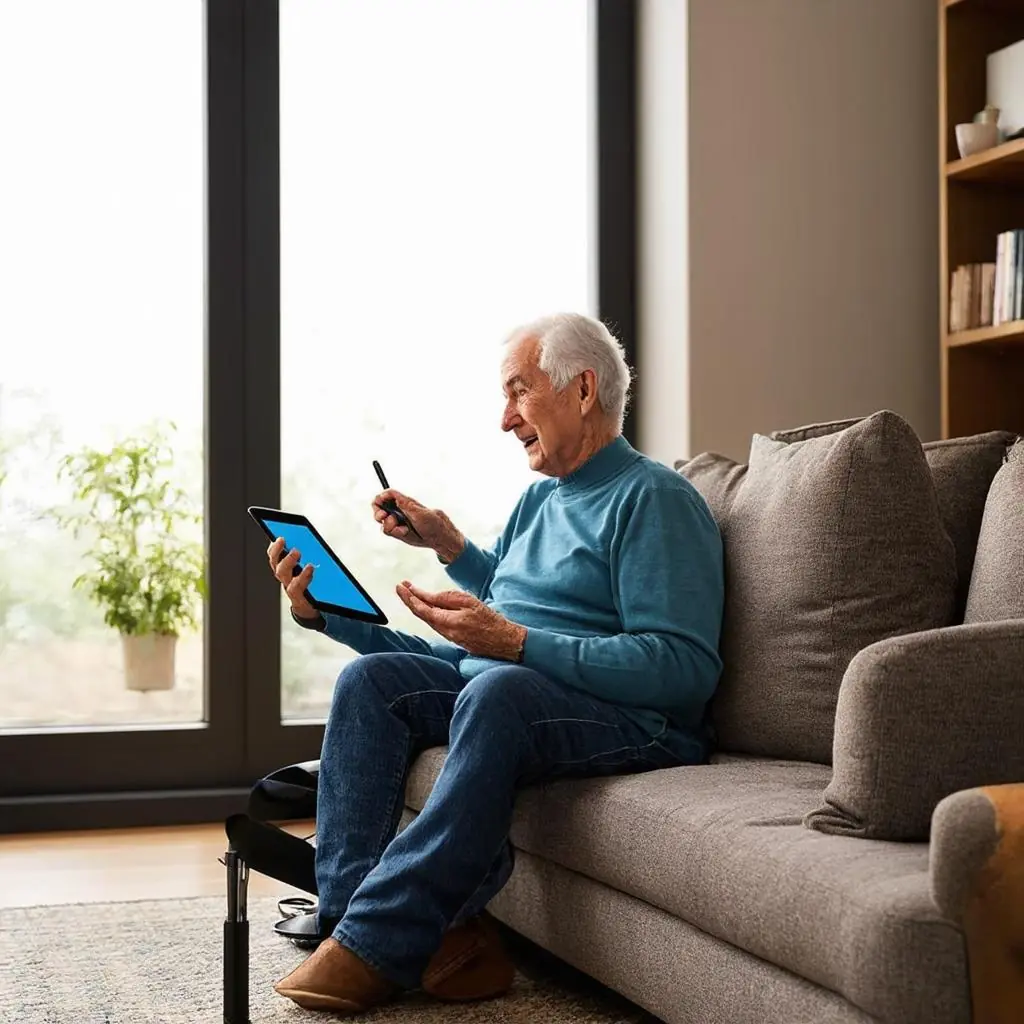
As technology advances, so too does our ability to create supportive environments for seniors wishing to age in place. Smart home technology has emerged as a game-changer, providing unobtrusive and efficient solutions that enhance safety and promote independence. This is particularly significant for seniors who value retaining their autonomy while ensuring peace of mind for themselves and their caregivers.
Innovations in Safety and Emergency Response
Among the most impactful innovations are those that directly address safety and emergency concerns. Fall detection sensors, for example, can immediately alert caregivers if a fall is detected, significantly reducing the response time and potential harm. Similarly, smart appliances are being designed with built-in alerts, sending notifications during emergencies such as kitchen fires or gas leaks. These technologies are cleverly integrated into the home environment, offering seamless and user-friendly solutions that don’t disrupt daily life but instead enhance security and confidence.
The Growing Demand: Demographic and Societal Shifts
The demand for smart home technology is not just driven by technological advancements but also by demographic and societal changes. As the global population ages, with an increasing number of seniors opting to remain in their homes, the need for supportive technologies grows. This demographic shift, coupled with an increased life expectancy, underscores the importance of creating environments that support independent living. The desire for seniors to stay in their familiar surroundings is a powerful catalyst for innovation within the smart home sector.
Health Monitoring and Combatting Loneliness
Another crucial aspect of smart home technology is its role in health monitoring and communication. Integrated health monitoring systems can track vital signs and medication intake, ensuring that healthcare professionals are informed and caregivers can act quickly if necessary. Moreover, communication tools within smart homes play a vital role in combating loneliness, a common challenge among seniors living independently. Video call systems and voice-activated assistants can keep individuals connected to their loved ones, fostering a supportive network that enhances emotional well-being.
Fostering a Supportive Environment for Independent Living
Incorporating smart home technology into seniors’ living environments is a forward-thinking approach to enhancing quality of life. By addressing key areas such as safety, health monitoring, and social connectivity, these innovations provide a comprehensive framework that not only supports independent living but also enriches it. As more individuals seek to maintain and enjoy their autonomy in their later years, the role of smart home technology in meeting these needs becomes increasingly central. It offers a promise of a safer, more connected, and fulfilling way of aging in place, making it a critical element of modern independent living strategies.