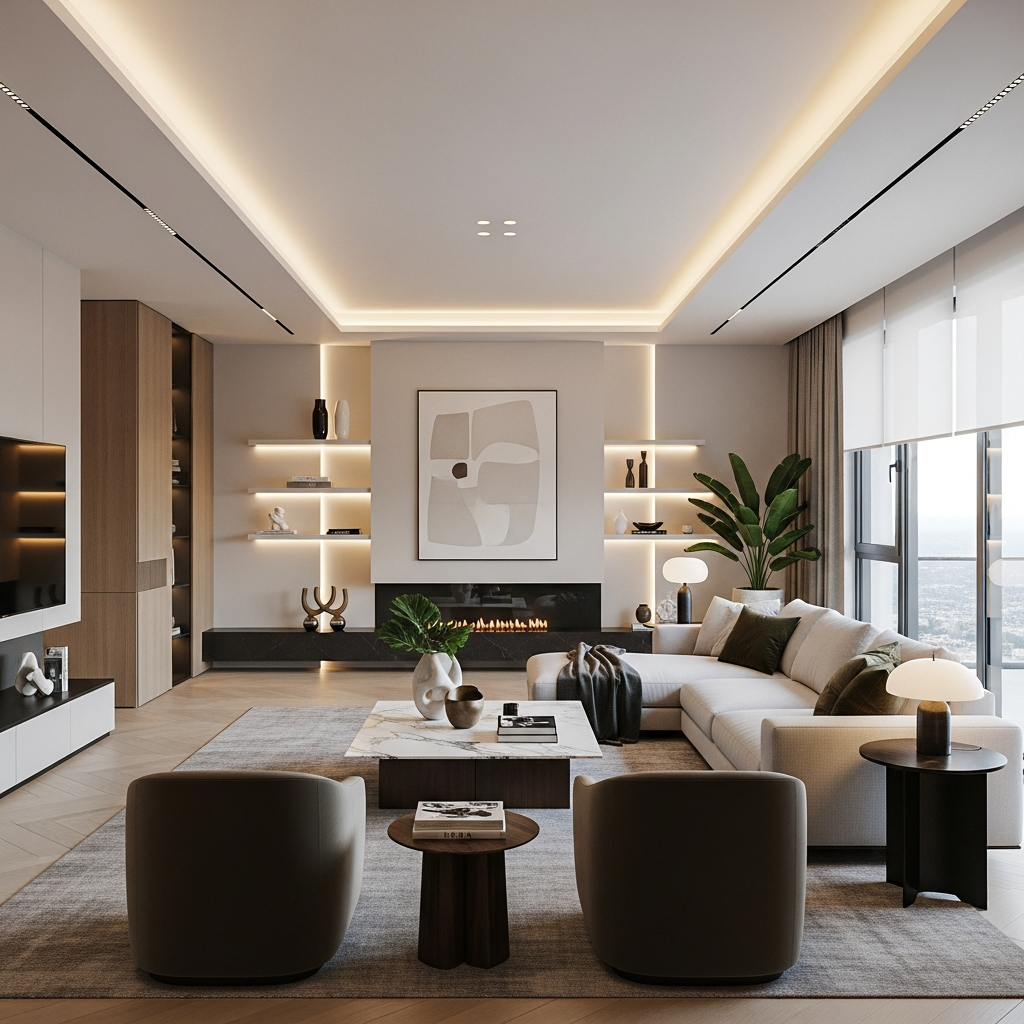
The concept of a modern dwelling has evolved far beyond physical architecture; it is now defined by its digital infrastructure. While off-the-shelf smart plugs and standalone voice assistants offer a rudimentary level of convenience, true luxury and operational efficiency demand a comprehensive approach to smart home integration. A professionally designed system does not merely connect devices to the internet; it orchestrates them to function in coherent, intuitive harmony, adapting seamlessly to the occupant’s lifestyle.
Designing a bespoke system begins with understanding that no two properties, and no two families, are identical. To move past the limitations of simple rule engines and create a truly intuitive environment, we must transition from smart to intelligent automation. This involves designing a resilient infrastructure that prioritizes local processing and robust privacy, ensuring that the home remains fully functional and secure even when external internet connections falter.
The Architectural Backbone of Bespoke Integration
The foundation of any high-performing smart ecosystem is its network and cabling infrastructure. Wireless protocols have their place, but a luxury property requires a hard-wired backbone to guarantee reliability and speed. When implementing smart home technology, professional designers plan for future capacity, ensuring that central equipment racks can accommodate emerging technologies without requiring intrusive structural modifications. This meticulous planning is particularly critical for bespoke smart home automation in London, Essex, and Suffolk, where historic architecture often presents unique structural challenges for wireless signals.
Harmonizing Security and Automation
One of the most compelling arguments for bespoke systems is the deep integration of security measures with daily living functions. Rather than operating in isolation, a security system should actively communicate with lighting, heating, and audio-visual systems. For instance, when the alarm is armed, the property can automatically transition into an energy-saving ‘away’ mode while simulating occupancy through randomized lighting patterns. To explore these concepts further, property owners should consider the advantages of securing a smart home with integrated security and automation. This level of cross-system communication not only deters intruders but also optimizes energy consumption.
Furthermore, integrating surveillance cameras, access control, and motion sensors into a single interface allows for unparalleled peace of mind. Homeowners can elevate their security by creating custom automated scenarios, such as illuminating perimeter pathways if unusual movement is detected at night, or muting external audio systems when a visitor rings the video doorbell.
Crafting the Perfect Living Environment
Beyond security and infrastructure, the ultimate goal of custom automation is to enhance comfort and lifestyle. Achieving smart automation done right means creating an environment that responds effortlessly to human presence. Multi-room audio-visual systems, circadian lighting design, and climate control zones should all operate under a single, elegant control plane. Whether utilizing bespoke touchscreens, discreet keypads, or intelligent sensors, the interface remains simple and unobtrusive, keeping the sophisticated complexity of the system entirely behind the scenes.
Ultimately, a bespoke smart home is an investment in both lifestyle and asset value. By partnering with professional designers who understand the intricacies of system architecture, hardware compatibility, and emerging smart home integration trends, homeowners can enjoy a future-proof, highly secure, and beautifully integrated environment.