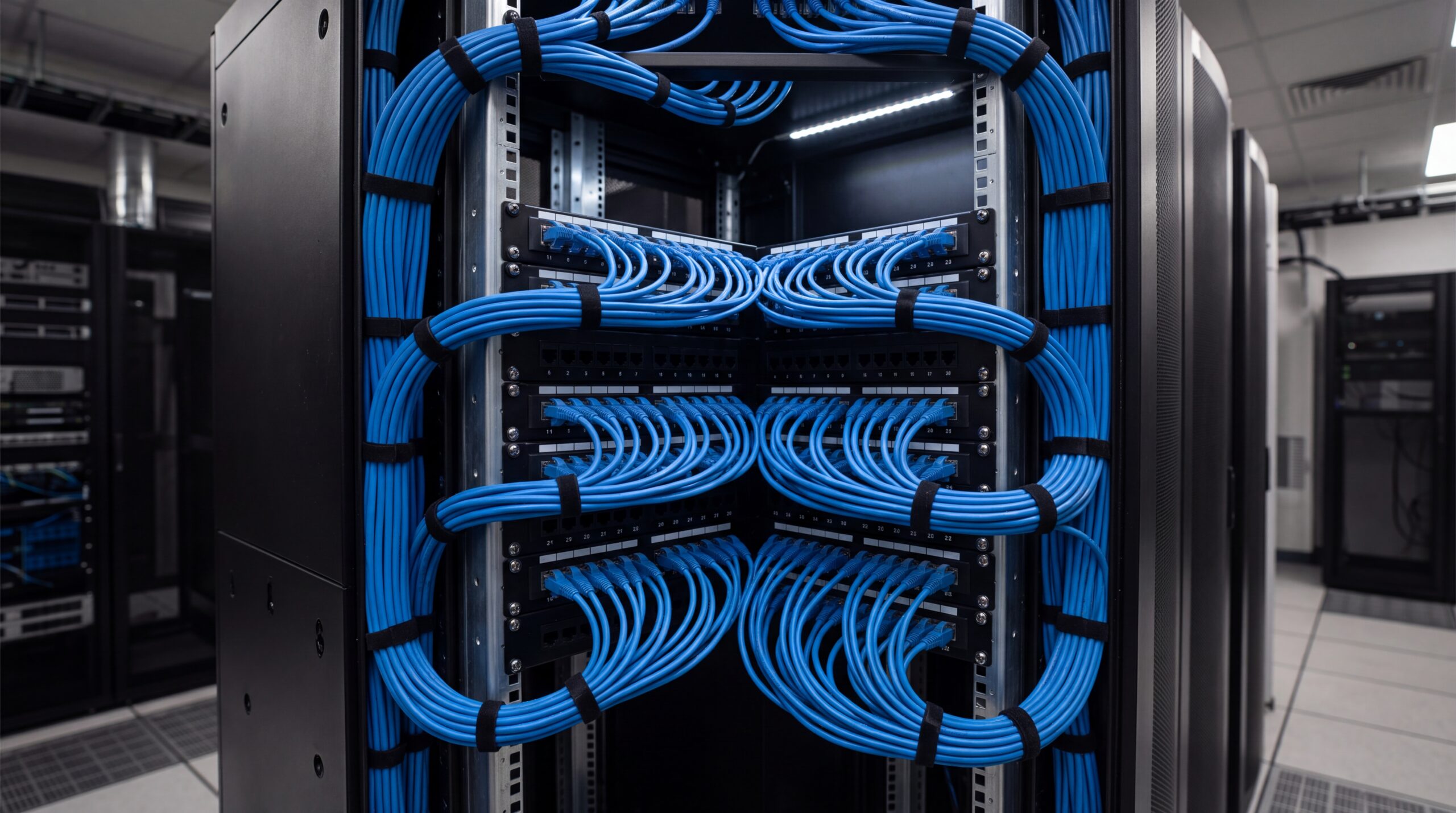
As modern homes become increasingly reliant on connected technology—ranging from ultra-high-definition audio-visual systems and smart security to bandwidth-intensive remote working setups—a robust digital infrastructure is paramount. While wireless networks offer convenience, they are inherently prone to physical obstacles, latency fluctuations, and signal degradation. Implementing a dedicated home network cabling system provides an uncompromised, high-speed backbone capable of supporting all your data demands with absolute reliability.
Designing a Purpose-Built Home Network
A successful installation begins with meticulous architecture. Designing a resilient home network cabling infrastructure requires mapping your property’s current data consumption while anticipating future technological expansion.
Centralised Node and Termination Point
Every structured cabling layout relies on a central distribution hub, typically located in a utility room, plant room, or dedicated comms cupboard. This central rack houses your primary router, network switches, patch panels, and network-attached storage (NAS). By centralising your hardware, you streamline maintenance, simplify troubleshooting, and keep living spaces free of unsightly clutter.
Selecting the Correct Cable Specification
Choosing the appropriate cable standard is crucial for long-term viability. While standard Cat 6 cabling handles gigabit speeds over typical residential distances, upgrading to Cat 6a or Cat 7 provides enhanced shielding against electromagnetic interference and supports data transfer speeds up to 10Gbps. For premium residential projects, such as those delivered by specialists in structured cabling in Hampstead or Knightsbridge, high-specification copper or hybrid fibre-optic solutions ensure the property is fully equipped for future bandwidth increases.
Strategic Cable Placement and Routing
To optimise connectivity throughout the property, strategic cable drops must be planned for high-demand areas. Key locations include media walls, home offices, smart televisions, gaming consoles, and ceiling-mounted positions for wireless access points (WAPs). Hardwiring static devices frees up precious wireless spectrum for mobile phones, tablets, and lightweight smart accessories.
Professional Installation Standards
Installing home network cabling demands strict adherence to engineering standards to preserve signal integrity and ensure long-term durability.
- Pathway Isolation: Data cables must maintain a safe clearance from mains electrical wiring to prevent signal interference caused by electromagnetic radiation. Where crossings are unavoidable, cables should intersect at right angles.
- Bend Radius and Cable Tension: Kinking, over-tightening cable ties, or stretching cables during containment routing can damage internal conductors and diminish performance capabilities.
- Termination and Testing: Each run must be cleanly terminated into patch panels and modular wall sockets, followed by full continuity and performance certification using specialised diagnostic equipment.
Whether undertaking a complete property renovation or retrofitting an established residence, engaging experienced installers ensures flawless execution. Professional deployment teams operating across Hertfordshire, including locations such as Berkhamsted, as well as London locations such as Homerton, deliver tailored cabling designs that integrate seamlessly into any architectural layout.
Future-Proofing Your Home Infrastructure
Investing in professional home network cabling transforms your domestic connectivity from a potential bottleneck into an invisible, high-performance utility. By combining structured planning, enterprise-grade materials, and expert installation techniques, homeowners can enjoy uninterrupted multi-room streaming, zero-latency gaming, and rock-solid smart home automation for years to come.