As the population ages, more individuals are choosing to remain in their homes, a concept known as "aging in place." This choice emphasizes the importance of independence and familiar surroundings. Smart home technology plays a pivotal role in this scenario, providing innovative solutions to enhance the quality of life for older adults. From health monitoring sensors to voice-controlled devices, these technologies help create safer, more efficient home environments.
Health Monitoring and Safety
One of the most significant advancements in smart home technology is the integration of health monitoring systems. Sensors can be discreetly placed around a home to monitor vital signs and daily activities, providing crucial data that can alert caregivers to potential health issues. For example, sensors can track medication adherence or detect changes in mobility patterns, enabling timely interventions.
Safety-enhanced cooking appliances are another crucial component. These smart devices can prevent accidents by automatically shutting off if left unattended for too long, reducing the risk of kitchen fires. Moreover, some appliances can be controlled remotely, allowing family members or caregivers to assist with meal preparation from afar.
Daily Convenience with Smart Devices
Voice-controlled devices like smart speakers play a crucial role in simplifying daily tasks for seniors. These devices can help with setting reminders, making phone calls, or even controlling lighting and thermostat settings, all through simple voice commands. This hands-free functionality is particularly beneficial for individuals with limited mobility or dexterity.
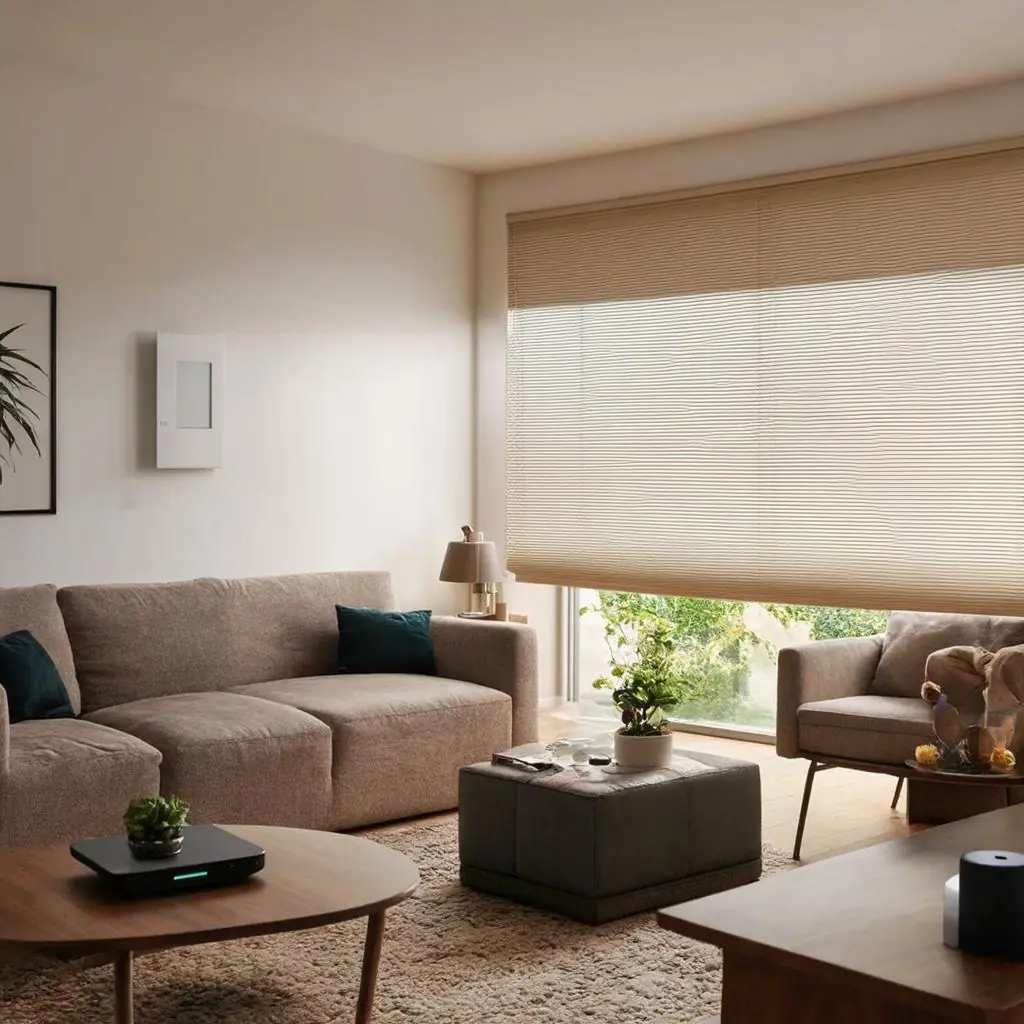
Smart lighting systems and automated blinds can also enhance daily life by adjusting based on the time of day or user preferences. For instance, lights can be programmed to gradually brighten in the morning, helping seniors wake up naturally, and dim in the evening to assist with winding down for sleep.
Customization and Peace of Mind
The integration of these smart technologies offers peace of mind not only for seniors but also for their families. Customized smart home setups can be tailored to meet specific needs and preferences, ensuring that each solution aligns with the user’s lifestyle. This personalization is vital in creating a comfortable and supportive environment that promotes independence.
Family members can stay connected and reassured through features like emergency alert systems and real-time monitoring apps. These tools allow for constant, yet unobtrusive, check-ins, fostering a sense of security and connection without the need for constant physical presence.
Conclusion
Smart home solutions represent a significant step forward in supporting aging in place. By integrating technologies such as health sensors, safety-enhanced appliances, and voice-controlled devices, older adults can maintain their independence and enjoy improved quality of life in familiar surroundings. These customizable solutions not only benefit seniors but also provide peace of mind for their loved ones, ensuring that the journey of aging in place is both safe and fulfilling. As these technologies continue to evolve, they hold the promise of even greater support and innovation in the years to come.