Across the UK, both homeowners and facility managers are rethinking the humble switch, socket and sensor. Smart switches and app/voice-controlled dimmers, USB/USB‑C charging outlets, energy‑monitoring receptacles, occupancy sensors and enhanced safety devices are no longer novelties; they are fast becoming foundational to modern properties. Several forces are driving this shift:
- Accelerating smart‑home and workplace adoption: Users now expect seamless control via apps, voice assistants and touch panels. Lighting, shading, audio‑visual and HVAC should work together, not in silos.
- Building modernisation: Refurbishments seek to add technology without compromising aesthetics or heritage features, favouring elegant, integrated devices that can retrofit cleanly.
- Electrification and new loads: EV charging, heat pumps, induction cooking and on‑site renewables are increasing electrical demand and complexity. Distribution boards, circuits and control layers must anticipate higher and more dynamic loads.
- Efficiency and safety regulations: UK standards and best practice continue to tighten. The 18th Edition of the IET Wiring Regulations (BS 7671:2018+A2:2022), evolving guidance on energy efficiency (e.g., Part L) and an emphasis on safer installations (RCD/RCBO, AFDD, surge protection) all point toward smarter, metered, well‑protected systems.
In short, “wiring devices” now sit at the intersection of user experience, energy management and compliance. Specifying them well in 2025 will make properties more comfortable, efficient and future‑proof.
What to specify in 2025: a practical checklist for UK residential and commercial projects
1) Interoperable control across subsystems
Specify devices and platforms that integrate lighting, shading, audio‑visual and HVAC under one interoperable control layer.
- Prioritise compatibility with established control ecosystems (for example, professional platforms such as Crestron) and open standards where appropriate (e.g., DALI‑2 for lighting, BACnet/Modbus in commercial BMS, and consumer protocols such as Matter/Thread, Zigbee and Z‑Wave for selected endpoints).
- Choose dimmers and keypads that support scene control, daylight harvesting and circadian presets. Ensure drivers/ballasts are matched (mains trailing‑edge, 0‑10 V, DALI or DMX) to avoid flicker and acoustic noise.
2) Robust networking and low‑voltage cabling
The control experience is only as reliable as the network.
- Provide wired Ethernet to fixed devices and use Wi‑Fi for mobility; adopt Cat6A for new builds to support PoE for access points, cameras and touchscreens.
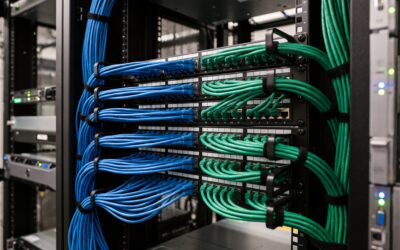
- Plan structured cabling to central AV racks with labelled patching and cable management. Segregate mains and signal cabling; cross at 90 degrees when necessary to minimise interference.
- Include low‑voltage runs for sensors (occupancy, CO2, temperature, light level) and window treatments. Ensure containment and service loops for maintenance and upgrades.
3) Capacity and distribution for future loads (including EV)
Anticipate electrification growth during design.
- Allow spare ways and physical space in consumer units/distribution boards for EV chargers, battery storage interfaces, and additional circuits.
- Consider load management devices and CT‑based metering to balance EV charging with main incomer limits and time‑of‑use tariffs.
- In commercial sites, determine whether three‑phase supply is required for fast charging and high‑capacity HVAC, and plan appropriate fault protection and discrimination.
4) High‑wattage USB‑C outlets where work happens
Device charging is now part of the infrastructure.
- Specify USB‑C PD outlets (e.g., up to 60–100 W where appropriate) at desks, kitchen islands, meeting tables and hotel bedsides for laptop and tablet charging without power bricks.
- Provide a mix of USB‑C and USB‑A during the transition period, with tamper‑resistant shutters and surge protection where required.
- In retrofit scenarios, confirm backbox depth and derating; use grid modules to align finishes across a property.
5) Scheduling, sensing and energy monitoring
Lower energy bills and prove performance gains.
- Select switches, dimmers and sockets with built‑in scheduling, occupancy/vacancy modes and energy metering at circuit or outlet level. Integrate data to dashboards for homeowners and facility managers.
- Use occupancy and daylight sensors to trigger scenes, reduce idle consumption and support compliance with efficiency targets (including commercial lighting control expectations).
- For renewables, integrate PV/battery status with load control to shift discretionary loads (e.g., EV charging, electric water heating) to low‑carbon or off‑peak windows.
6) Safety, resilience and appropriate protection
Modern devices should elevate safety, not merely meet minimums.
- Apply RCD/RCBO protection per BS 7671; consider AFDDs for final circuits where risk, occupancy or duty cycle warrants enhanced arc‑fault protection.
- Install surge protection devices (SPDs) for sensitive AV and IT equipment, especially in properties with extensive electronics or on‑site generation.
- Use appropriate IP‑rated devices and enclosures in bathrooms, kitchens and outdoor areas, adhering to the special locations requirements of BS 7671. In PME earthing systems, ensure EV charge points provide required PEN fault protection.
7) Accessibility, user experience and aesthetics
Adoption increases when systems are intuitive and discreet.
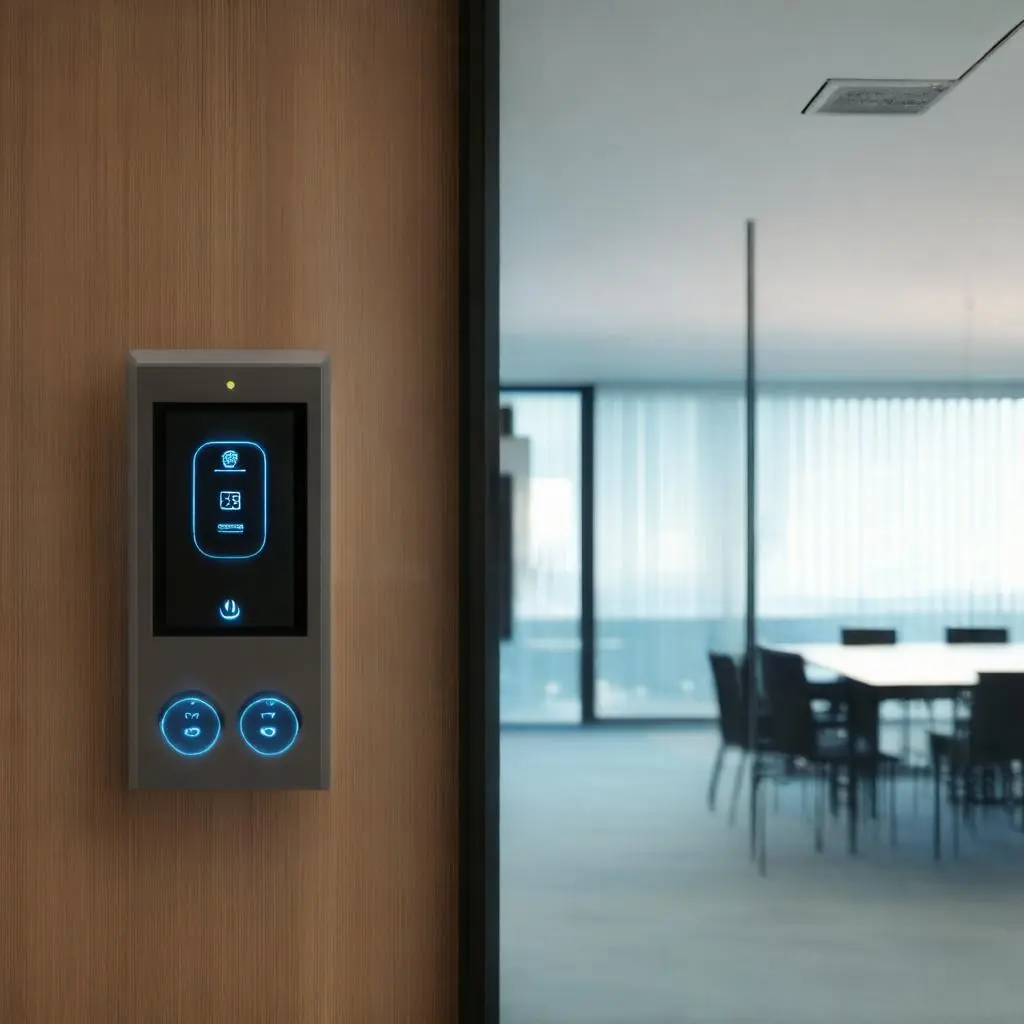
- Specify consistent plate finishes and backlit keypads with clear engraving. Provide tactile feedback and accessible mounting heights (consider Approved Document M guidance).
- Offer app, voice and physical control so users have choice; integrate occupancy‑based automation that “just works” while allowing manual override.
Note: All works should be designed and certified by qualified professionals to current UK regulations, with thorough documentation and labelling to support lifecycle management.
Retrofit versus new build: choosing the right pathway
Not every project warrants a full re‑cable. The art is balancing ambition with disruption and value.
-
Quick wins without re‑wiring:
- Smart dimmer swaps: Where neutrals are not present at the switch, select quality two‑wire dimmers designed for LED loads, adding a bypass where necessary to prevent glow or flicker. Trailing‑edge dimming is generally quieter and LED‑friendly.
- Smart receptacle swaps: Replace key sockets with metered or controllable versions to schedule plug‑in loads (heaters, task lights, AV gear) and collect energy data.
- Sensor‑driven controls: Battery‑powered or low‑voltage occupancy and door/window sensors can trigger scenes and security responses without opening walls.
- In‑wall modules: Fit control relays/dimmers behind existing plates for discreet automation while retaining the aesthetic.
-
When to consider a re‑cable or consumer unit upgrade:
- Extensive lighting control (e.g., DALI backbones, centralised dimming), motorised shading, distributed audio and large sensor networks benefit from new structured and low‑voltage cabling.
- EV chargers, heat pumps and induction cooking may demand new circuits and load management; physical space and spare capacity in distribution boards are essential.
- Ageing consumer units lacking RCBOs/SPDs, or properties with known loading/fault issues, should be upgraded to modern boards with labelled circuits and metering.
- Heritage or premium finishes may justify a planned, minimally invasive re‑wire to future‑proof without repeated disturbance.
-
Commissioning and documentation:
- Regardless of scope, professional testing, firmware updates, driver integration and end‑user training are crucial. Provide as‑built drawings, cable schedules and labelled terminations for maintainability.
AV‑centric spaces: power, cabling and control that elevate the experience
Cinema rooms, whole‑home audio zones, boardrooms and meeting spaces place exacting demands on wiring devices and infrastructure. A thoughtful specification will protect signal integrity, reduce noise and enhance usability.
-
Quiet, clean power:
- Use high‑quality trailing‑edge or 0‑10 V/DALI dimming for silent operation with LED fixtures; avoid buzz by pairing drivers and dimmers validated for compatibility.
- Provide dedicated circuits for amplifiers, projectors and DSPs with appropriate surge protection and, where justified, power conditioning. Separate lighting and audio circuits to reduce interference.
- Consider in‑rack PDUs with per‑outlet control and metering to cycle equipment safely and monitor consumption.
-
Cable management and signal integrity:
- Home runs from sources to displays/speakers via central racks simplify service. Specify high‑bandwidth HDMI cabling or active fibre solutions for 4K/8K and long runs, with conduit for future standards.
- Maintain separation between mains and signal cables; use proper earthing and bonding to mitigate hum loops.
- Label everything: racks, patch panels, wall plates and floor boxes. Provide slack management and service access.
-
Scene‑based lighting and shading:
- Predefine scenes for presentation, video calls, cinema, cleaning and after‑hours security. Implement circadian and daylight‑responsive modes in multiuse spaces.
- Integrate quiet motorised shades/blinds to control glare and boost video call quality, with presets accessible from keypads and touch panels.
-
Sensor‑driven automation:
- Combine occupancy sensing with AV and HVAC logic: auto‑wake systems on entry, engage energy‑saving modes on vacancy, and adjust ventilation or temperature based on room use and CO2 levels.
- In commercial meeting rooms, link booking systems to presence detection to release unused spaces and report utilisation metrics.
The result is an environment that looks sophisticated, sounds superb and operates effortlessly, with devices that disappear into the background.
Budgeting, phasing and aftercare: future‑proofing with confidence
A well‑specified plan aligns ambition, budget and programme while keeping options open for tomorrow.
-
Budgeting principles:
- Allocate funds for infrastructure first: structured cabling, distribution capacity, containment and quality devices. These are the hardest to retrofit and deliver the greatest long‑term value.
- Use allowances for key device categories (smart dimmers/switches, USB‑C PD outlets, sensors, metered sockets, surge protection, PDUs). In commercial projects, include DALI gateways, room controllers and touch interfaces.
- Evaluate total cost of ownership: energy monitoring and scheduling can meaningfully reduce bills; remote diagnostics limit call‑outs and downtime.
-
Phased rollouts:
- Phase 1 (Core): Networking, distribution upgrades, backbone cabling, essential safety (RCBOs/SPDs) and critical rooms.
- Phase 2 (Controls): Lighting/shading integration, occupancy sensors, USB‑C PD roll‑out to priority areas, metered outlets on major loads.
- Phase 3 (Enhancements): Advanced AV, additional scenes, analytics dashboards, EV load optimisation and expanded automation.
- Ensure each phase is functional on its own, with reserved capacity for the next steps.
-
Governance, security and compliance:
- Maintain an asset registry of devices, firmware versions and network credentials. Segment IoT devices on the network and enable secure remote access for support.
- Document conformity (UKCA/CE as applicable), electrical certifications and commissioning reports. Align with BS 7671, manufacturer guidance and relevant Building Regulations.
-
Aftercare and lifecycle support:
- Plan for periodic reviews, firmware updates and performance tuning. Remote monitoring can flag failing devices and energy anomalies early.
- Provide user training and simple guides for scenes, schedules and resets. For commercial teams, assign an internal champion for change control.
- Keep spares of critical components and ensure finish continuity for faceplates and keypads over time.
Smart wiring devices are no longer a luxury—they are a critical layer in delivering safe, efficient and elegant spaces. By emphasising interoperability, robust infrastructure, future capacity and user‑centred control, you will meet 2025 expectations with confidence. For projects that demand bespoke integration—across lighting, shading, audio‑visual and HVAC—partnering with a specialist integration team ensures compliance today and flexibility for tomorrow, from first survey and design through installation, commissioning and ongoing support.