Many homes and workplaces already own smart devices yet use only a fraction of their capabilities. The most effective way to unlock their full potential is to design an integrated security strategy first, then build other automations on top of that reliable core. Begin by mapping every entry point and priority risk area: front and back doors, side gates, garages, balcony doors, vulnerable windows, and high‑value rooms such as home offices, media rooms, and server or plant cupboards in commercial settings.
From there, centralise alerts across all security devices—door/window sensors, video doorbells, cameras, smart locks, and alarm panels—into a single, secure interface. This prevents alert fatigue, enables faster responses, and creates a shared timeline of events. Before purchasing new equipment, compare both products and installers. Favour platforms with:
- Proven expandability so future devices can be added without replacing the core system
- Long‑term software update policies and strong vendor support
- Robust authentication (e.g., two‑factor authentication) and role‑based access to tailor permissions for family members, staff, and contractors
Modern video analytics such as person/vehicle/package detection reduce false alarms dramatically. Configure privacy zones to avoid recording public areas or neighbours’ property, and define retention policies that balance evidence needs with data minimisation and GDPR best practice. In workplaces and public facilities, granular audit trails and role‑based access are essential for compliance and duty of care.
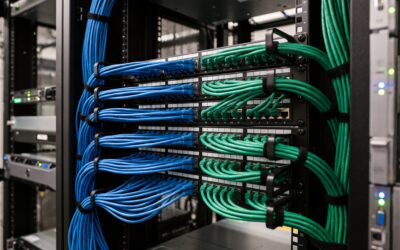
Plan for power and connectivity at the outset. Where practical, run structured cabling to key camera and access control locations, and consider Power over Ethernet for reliability and simplified maintenance. Provide uninterrupted power (UPS) to critical hubs so alerts and recordings continue during outages. Design Wi‑Fi with sufficient coverage and capacity—Wi‑Fi 6/6E access points, appropriate channel planning, and a robust, secure network architecture. A well‑planned backbone makes it simple to scale later, whether adding perimeter cameras, a gate intercom, or smart locks on internal doors.
HYDE AV specialises in bespoke, security‑led integrations across London, Essex, Suffolk, and surrounding areas. We work with trusted brands and professional‑grade platforms to ensure your system is both resilient today and ready for tomorrow.
Energy optimisation that pays back
Energy efficiency is one of the most immediate and measurable benefits of a smart home or workplace. Start with heating and cooling integration. Smart thermostats and HVAC controls—coordinated with room sensors—can use schedules, occupancy detection, and geofencing to reduce run time without sacrificing comfort. Weather‑aware adjustments pre‑heat or pre‑cool ahead of temperature swings, smoothing demand and improving comfort.
Automated blinds and lighting make a significant difference to thermal loads. In winter, raise blinds on south‑facing windows to capture solar gain; in summer, lower blinds during peak sun to keep interiors cooler. Link ambient‑light sensors to dim or switch off artificial lighting when daylight is sufficient. Extend this logic to standby loads: switch off non‑essential electronics and signage automatically when rooms are unoccupied, and group plug loads by area so you can cut entire banks of devices after hours.
Check with your energy provider for rebates or demand‑response programmes that may offer discounted smart thermostats, load‑shifting incentives, or time‑of‑use savings. Even modest incentives can accelerate payback when combined with occupancy‑based control. In commercial properties, integrate metering and sub‑metering with dashboards to highlight anomalies and inform maintenance, then automate policies—such as night set‑backs and holiday modes—across multiple zones.
Behind the scenes, ensure your network is designed for low‑latency, high‑reliability control traffic so energy automations trigger instantly. Where appropriate, deploy local processing at the control hub so essential automations continue to run even if the internet connection is interrupted.
HYDE AV’s tailored energy‑saving automations balance comfort, cost, and convenience, using interoperable systems that suit both domestic and commercial plant.
Streamlined entertainment without the fuss
A truly smart environment makes entertainment effortless. Unify control of TV or projector, audio systems, and streaming services through a single, intuitive interface. Scene presets remove complexity:
- Movie night: lower blinds, dim lights to a warm 20%, power the projector, select the preferred input, set audio to surround, and enable “do not disturb” on the doorbell
- Gaming: prioritise network traffic to the console, set lighting to a cooler focus scene, and select low‑latency audio settings
- Presentation: bring up the display, set a voice‑reinforcement level on microphones, and route a laptop input across multiple screens
For multi‑room audio, prioritise systems with proven interoperability and strong ecosystem support so everyone can use their preferred services without workarounds. Design for reliability first: solid cabling to equipment racks, sufficient amplification for the room volumes, and network capacity that comfortably handles high‑bitrate audio and 4K/8K video streams. In larger homes, boutique hospitality, and public spaces, centralised AV distribution can keep equipment out of sight while delivering pristine sound and picture to every zone.
Brands such as Crestron, Nuvo, and Sonos offer robust, flexible control and distribution options. When integrated professionally, they deliver a seamless experience that works the same way in every room and on every device—no more juggling remotes or app switching. HYDE AV engineers specify, install, and calibrate systems to your room acoustics, display characteristics, and usage patterns, ensuring exceptional performance day one and easy expansion later.
Everyday automations that actually help
The most successful automations are the ones you stop noticing because they simply work. Establish a core set of routines, then evolve them over time:
- Good morning: gently raise blinds, bring lights to a soft warm level, start news radio in the kitchen, and pre‑heat bathrooms
- Good night: lock exterior doors, arm the alarm, turn off AV, set bedrooms to a cooler temperature, and enable a low‑level hallway path light
- Away mode: lock up, pause non‑essential plug loads, adjust HVAC set‑backs, simulate occupancy with varied lighting, and enable exterior cameras and notifications
- Motion‑activated lighting: short timeouts in corridors and utility areas; longer in bathrooms and nurseries with late‑night dim levels
- Sunset‑based exterior lighting: bring on steps, paths, and façade lights at dusk with weather‑adaptive brightness
- Helpful reminders: laundry cycle complete, bin day, pet‑feeding prompts, plant‑watering schedules, and restock notifications for consumables
Adopt a “start small, test, and iterate” mindset. Begin with two or three high‑impact automations, observe how they work for your household or team, then refine timings, brightness, and notifications. Where available, use natural‑language rule builders so non‑technical users can adjust routines without calling support. For mixed‑use and commercial spaces, apply role‑based control so staff can trigger scenes safely without accessing administrative settings.
Keep privacy and security considerations front of mind. Store only the data you need, restrict camera access to appropriate users, and schedule regular reviews of permissions. Well‑designed systems make it simple to accommodate guests, contractors, or short‑term staff with temporary access that expires automatically.
HYDE AV’s bespoke programming ensures automations reflect your habits and brand standards, with ongoing support to fine‑tune as needs evolve.
Your smart‑home action checklist
- Audit your current gear
- List every device, room by room (security, HVAC, lighting, blinds, AV, networking)
- Note age, firmware status, and any recurring issues
- Define goals and budget
- Identify the top three outcomes you want (e.g., fewer false alarms, lower energy bills by 15%, unified AV control)
- Establish a phased budget to reach those goals without disruption
- Choose interoperable, updatable devices
- Prioritise platforms with long‑term updates, strong authentication, and role‑based access
- Confirm native integrations for your preferred services and any specialist equipment
- Plan the network and infrastructure
- Design Wi‑Fi coverage and capacity; specify structured cabling and PoE where beneficial
- Provide UPS for critical hubs; separate guest networks and apply appropriate security policies
- Phase the rollout
- Start with security and networking, then add energy, entertainment, and convenience automations
- Validate performance at each stage before expanding
- Review automations seasonally
- Adjust schedules for daylight changes, holidays, and occupancy patterns
- Update scenes as new devices or rooms come online
If you are ready to turn disparate gadgets into a coherent, secure, and delightful ecosystem, professional design and installation make the difference. HYDE AV delivers fully integrated solutions—home cinema, soundproofing, networking, security, and smart control—tailored to your property and future ambitions. We operate across London, Essex, Suffolk, and nearby areas, and provide personalised quotations for every project. With an online retail shop for premium AV products and accessories launching soon, you will have even more ways to enhance your system with trusted brands and expert guidance.