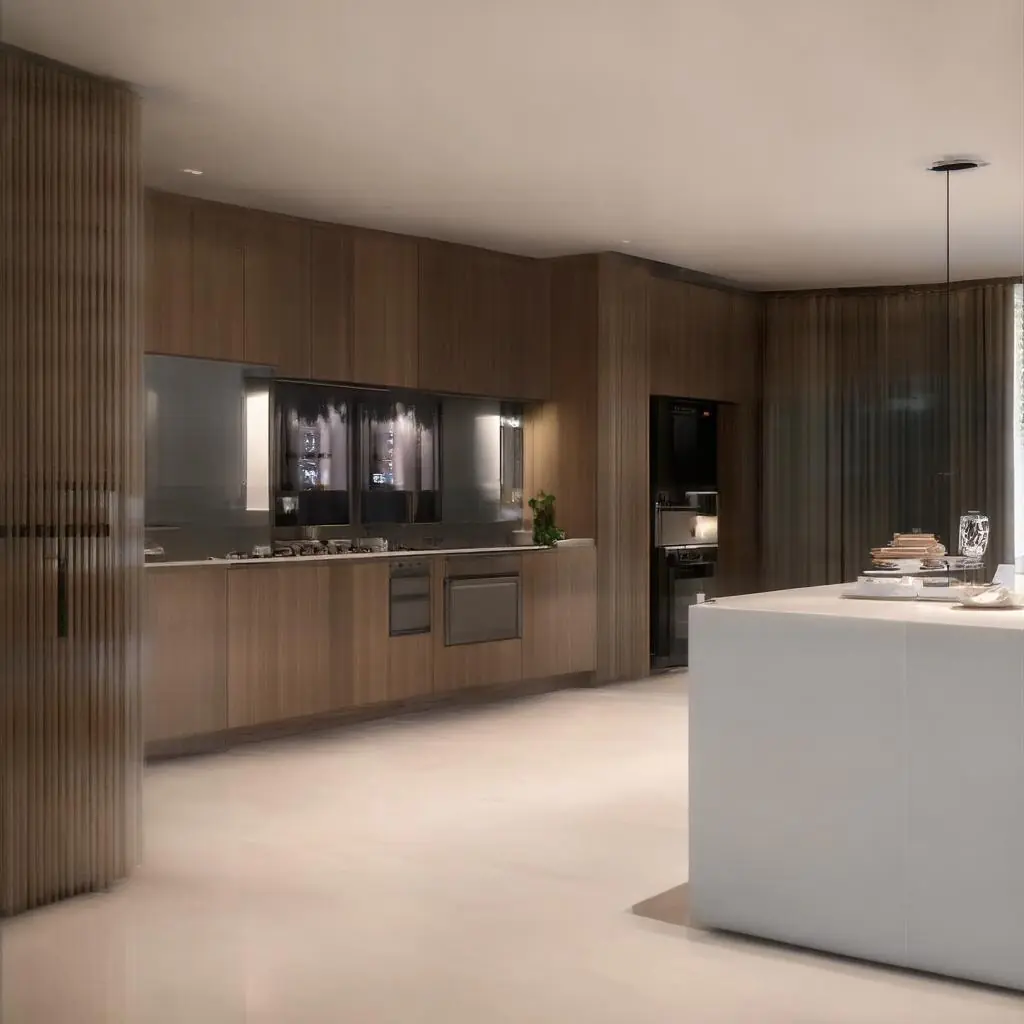
Across the next decade, the kitchen is set to become one of the most important spaces in any connected property. Between 2025 and 2035, global demand for smart built-in kitchen appliances is projected to rise sharply from approximately USD 8.9 billion to nearly USD 37.9 billion, reflecting a compound annual growth rate of 15.6%. This is not a niche trend confined to luxury developments. It signals a structural shift in how homes and commercial environments are designed, managed and experienced.
The market is expected to evolve in two distinct phases. The first wave, running through to around 2030, will be driven by rapid adoption of connected refrigerators, dishwashers and ovens. These appliances will increasingly offer app-based monitoring, smarter cycle control, maintenance notifications and improved energy performance. The second wave, from 2030 to 2035, is likely to centre on wider ecosystem integration, where appliances no longer operate as isolated smart devices but as part of a coordinated property-wide system.
For UK homeowners, developers, landlords and commercial operators, this change matters because the kitchen is becoming a high-value automation hub. It is one of the few environments where energy usage, water consumption, ventilation, lighting, occupancy patterns, entertainment and security can all intersect. In practical terms, a smart kitchen is no longer simply about convenience. It is about efficiency, performance, safety and long-term property value.
Home use is expected to account for around 72% of demand, with refrigerators leading the category, followed by dishwashers and ovens. This ranking is unsurprising. Refrigerators are uniquely suited to connected functionality because they run continuously, store high-value goods and generate useful operational data. Dishwashers and ovens follow closely because they can deliver measurable gains in energy and water efficiency, as well as more precise control over daily household routines.
What Is Driving Growth and Why It Matters in the UK
Several forces are accelerating this market. The first is the convergence of AI, IoT and energy management. Appliances are becoming better at sensing usage patterns, adjusting performance and communicating with wider systems. A connected oven can support precision cooking and remote management. A smart dishwasher can optimise water and electricity use based on load type or tariff windows. A connected refrigerator can provide alerts for maintenance, temperature issues or inventory management. Individually, these are useful features. Together, they form part of a broader shift towards responsive, data-led environments.
The second growth driver is kitchen modernisation. In both new-build and refurbishment projects, the kitchen remains one of the most heavily invested spaces in the property. Buyers, tenants and owner-occupiers increasingly expect premium design, integrated functionality and future-ready infrastructure. As a result, smart built-in appliances are becoming more relevant not only to high-end residential projects but also to mid-market homes seeking stronger energy performance and a more seamless user experience.
Urban growth across Asia-Pacific is helping to accelerate global demand, but the implications for Europe, including the UK, are significant. Europe is expected to broadly track the global growth rate, supported by strong demand for premium features and deeper integration. In the UK specifically, rising energy awareness, interest in home technology and demand for high-performance living spaces are all likely to reinforce this trend. This is especially relevant in London and surrounding regions, where space efficiency, design quality and integrated systems are often central to project success.
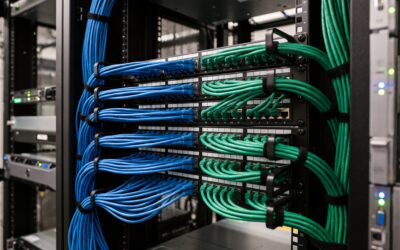
However, the market is not without barriers. High upfront costs remain a concern, particularly when smart appliances are considered alongside wider automation, networking and electrical upgrades. Connectivity reliability is another issue. A smart kitchen is only as effective as the underlying network supporting it. Fragmented standards also present a challenge, as not all devices and platforms communicate smoothly with one another. This can lead to suboptimal user experiences, increased maintenance complexity and limitations in future scalability.
For this reason, the role of professional integrators and AV automation specialists is becoming increasingly important. The value lies not simply in supplying connected products, but in designing systems that are robust, interoperable and tailored to the way a property is actually used.
What Smart Kitchens Mean for UK Homes and Whole-Home Automation
For UK households, the most important implication is that the kitchen will increasingly function as a core node within whole-home automation. Rather than standing apart from the rest of the property, kitchen systems will link directly with lighting, climate control, media, shading, security and energy management.
This opens up a range of practical benefits. Energy-aware cooking and cooling can help appliances operate more efficiently based on occupancy, time-of-use tariffs or renewable energy availability. Inventory alerts can reduce waste and improve convenience by notifying users when products are running low or when storage conditions change. Maintenance alerts can flag filter issues, leaks, abnormal power consumption or service requirements before they become disruptive or costly.
Water- and power-efficient cycles are also likely to become more valuable as utility costs remain under scrutiny. A smart dishwasher, for example, may run during lower-cost energy periods or adjust its cycle according to actual load demands. Similarly, ventilation systems can respond automatically to heat, humidity or air-quality readings generated during cooking, improving comfort while reducing unnecessary energy use.
The wider opportunity is room-to-room control. A truly integrated property can allow the kitchen to interact with adjacent and remote spaces in a meaningful way. Lighting scenes can adjust as cooking begins or transitions to dining. Audio systems can follow the user between kitchen, living and outdoor areas. Security settings can respond to routines, such as disabling selected notifications while the home is occupied or sending alerts if appliance activity is detected unexpectedly. Climate systems can compensate for heat loads generated by cooking equipment. In well-designed environments, this coordination feels natural rather than complex.
This is where bespoke design becomes especially important. Every household has different routines, priorities and expectations. A family home may prioritise safety, energy control and ease of use. A high-end apartment may focus on design-led integration, hidden technology and elegant user interfaces. A mixed-use development may require common standards across multiple units while allowing for customised upgrades. In each case, the kitchen can serve as a practical and visible starting point for broader automation.
Commercial and Mixed-Use Implications: Performance, Reliability and Compliance
For commercial sites, the discussion changes slightly. While convenience and user experience still matter, reliability, capacity and compliance are likely to shape specifications more strongly than in domestic settings. Restaurants, hospitality venues, executive offices, residential developments and public-sector environments all require systems that can perform consistently under heavier usage and stricter operational conditions.
Connected kitchen appliances and automation platforms in commercial environments offer significant advantages. Monitoring can support preventative maintenance, reducing downtime and extending equipment life. Energy dashboards can provide visibility into usage patterns, helping site managers identify inefficiencies and improve operational performance. Water consumption data may also support sustainability targets and reporting. In premium hospitality or workplace environments, integrated control can improve user comfort and reinforce brand perception through a more seamless and polished experience.
Yet commercial projects also place greater emphasis on resilience. Network design must account for device density, signal coverage and segmentation. Power planning must consider load requirements, backup strategies and equipment protection. Compliance with relevant regulations, safety requirements and manufacturer installation guidance is essential. In these settings, deep integration is only valuable when supported by dependable infrastructure and straightforward serviceability.
Mixed-use developments present a particularly strong opportunity. As residential, hospitality and work environments increasingly overlap, the demand for unified yet flexible technology ecosystems is growing. The kitchen, whether in a private apartment, shared amenity space or staff facility, can play a meaningful role in that ecosystem. It can contribute data, support energy strategies and form part of a wider user journey that includes access control, lighting, comfort and entertainment.
Practical Priorities for Integrators and Property Decision-Makers
For integrators, developers and property owners planning for the 2025–2035 horizon, several practical priorities stand out. First, robust networking and power infrastructure should be treated as foundational rather than optional. Smart appliances depend on stable, secure connectivity, and poor performance at this level will undermine every other benefit.
Second, open and interoperable platforms should be specified wherever possible. Fragmentation in the smart appliance market remains a genuine concern, and systems that rely too heavily on closed ecosystems may face limitations over time. Choosing solutions that support integration, expansion and long-term adaptability is essential for protecting investment.
Third, cabinetry, ventilation and physical layouts should be designed with sensors, airflow and service access in mind. Smart built-in appliances still require maintenance, and highly integrated spaces must remain practical to support. Concealed technology can be visually impressive, but not if it complicates servicing or compromises performance.
Fourth, energy dashboards should be developed to surface appliance insights in a clear and actionable way. Data is only valuable if users, facilities teams or homeowners can understand and act on it. Appliance-level visibility can help identify inefficiencies, confirm savings and support smarter daily decisions.
Finally, recurring service models deserve serious consideration. Monitoring, optimisation and ongoing support are likely to become increasingly important as smart kitchens become more integrated into wider property systems. For installers and technology partners, this creates an opportunity to move beyond one-time installation towards longer-term client relationships built on measurable value.
Over the coming decade, the smart kitchen is expected to move from premium feature to strategic component of intelligent property design. With Europe likely to follow the wider global growth trajectory, and with strong demand for premium functionality and deep integration, the UK market is well positioned to benefit. For homes, this means greater comfort, control and efficiency. For businesses, it means better visibility, resilience and operational performance. For both, the kitchen is emerging as one of the most effective places to begin a broader automation journey.