In recent decades, the world of stage production has undergone a remarkable transformation—one that owes much to the ongoing evolution of audio-visual (AV) technology. Traditional boundaries have expanded through the integration of cutting-edge media, facilitating experiences that engage audiences far beyond the capabilities of conventional lighting and sound. Modern stage productions now benefit from a synergy of media servers, intelligent lighting, synchronized video projection, and dynamic audio systems, crafting immersive environments where artistry and technology unite seamlessly.
Media Servers, Lighting, and Video Content: Creating Immersion
Central to this technological renaissance are media servers—powerful hardware and software systems capable of storing, manipulating, and delivering high-definition video and audio content in real time. These systems orchestrate complex sequences across projectors, LED walls, and moving screens, allowing directors and designers to realize evermore ambitious creative visions. The ability to synchronize media elements with precise lighting cues and advanced soundscapes means that visuals can pulse, move, or morph fluidly alongside live action, enveloping the audience in a multi-sensory narrative.
Modern lighting technology plays a pivotal role in this orchestration. Programmable LED fixtures and intelligent lighting rigs enable infinite color palettes, exacting motion control, and rapid scene transitions. When these are connected to media servers and video systems, lighting not only paints the stage but reacts dynamically to the overall production flow. The result is an environment that feels alive—one that complements performance and intensifies emotional resonance.
Integrated Systems: The Backbone of Creativity and Reliability
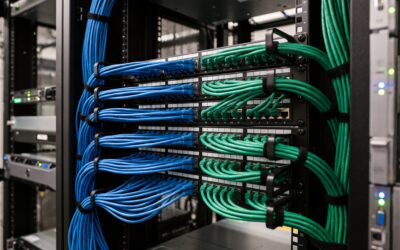
At the heart of innovative stage production lies system integration: the seamless coordination of disparate AV components to function as a unified, reliable whole. A single production may require the interplay of media servers, lighting consoles, soundboards, projection mapping, and wireless communication networks—all running in harmony. This integration amplifies creative capabilities while ensuring operational stability, a critical factor in high-stakes live events.
Advanced control systems, like those offered by Crestron or similar brands, allow technical teams to automate complex tasks, monitor equipment health, and trigger sequences across multiple devices with pinpoint precision. Such reliability reduces risk, improves repeatability across performances, and liberates creative teams to push the boundaries of what is achievable on stage. The end result is a performance environment where technology provides a dependable foundation for artistic exploration.
Cross-Industry Innovations: Enhancing Commercial and Residential Environments
While these AV innovations have revolutionized theatrical productions, their benefits extend far beyond the stage. The same philosophies and technologies underpinning integrated stage systems are now transforming commercial spaces and private residences. Boardrooms, retail spaces, and public venues increasingly employ sophisticated AV setups to facilitate communication, branding, and engagement. Interactive displays, environmental lighting, and high-fidelity audio create inviting, productive environments tailored to the needs of businesses and clientele alike.
In the home, smart automation and integrated AV solutions bring cinematic quality and intuitive control to everyday living. From immersive home cinema installations to whole-house audio distribution and smart lighting, residents can enjoy experiences reminiscent of professional productions—customized for comfort, security, and efficiency. Advanced security monitoring, energy-saving automation, and seamless device integration mirror the reliability and ingenuity of stage systems, enhancing convenience and peace of mind for homeowners.
The Ongoing Journey of Innovation
As audio-visual technology continues its rapid development, the divide between entertainment, commercial, and residential applications grows ever narrower. The immersive, reliable, and creative experiences pioneered in modern stage productions now set the benchmark across all environments in which people work, live, and connect. By embracing the synergy of advanced media servers, lighting, video content, and robust system integration, organizations and individuals alike can transform everyday spaces into extraordinary experiences—demonstrating that the future of AV is not only about performance, but about inspired living and working for all.